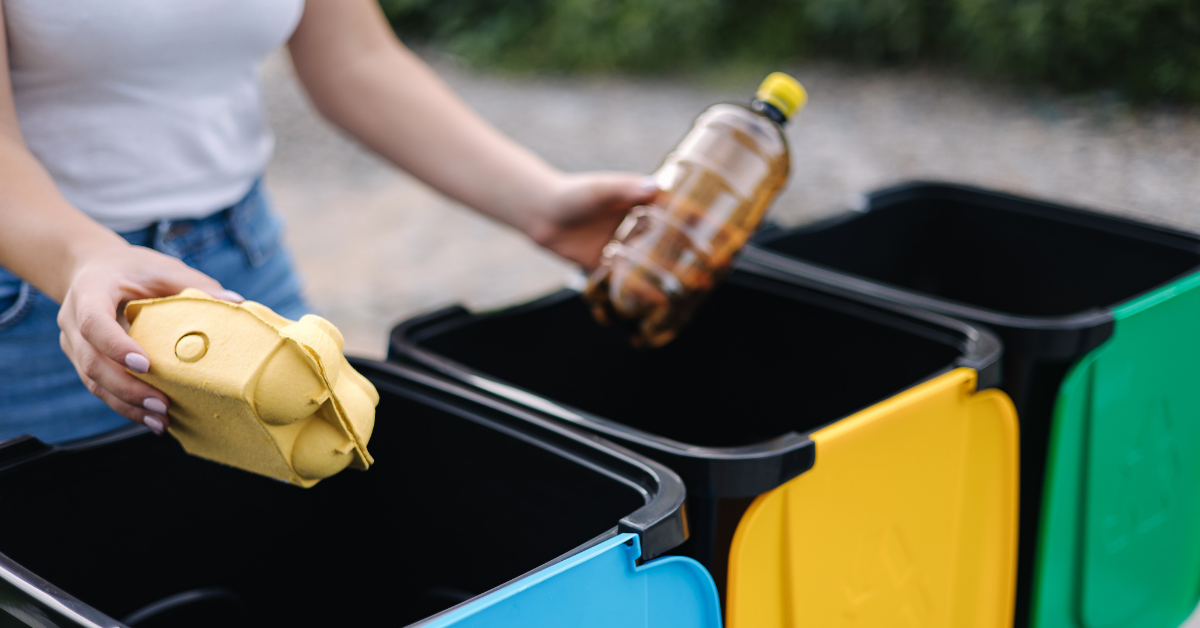
Waste sorting in Germany is taken seriously. It is part of daily life and expected from everyone, including new arrivals. At first, the different bins can feel confusing. This guide explains what goes where and how to avoid common mistakes.
You do not need to be perfect on day one. You just need to understand the basics.
Why Waste Sorting Matters in Germany
Germany focuses strongly on recycling and environmental protection. This is not just a suggestion. It is a fundamental part of how the country operates.
What this means for you:
- Households must separate waste correctly
- Bins are collected on specific days and times
- Incorrect sorting can create problems in shared apartment buildings
- Neighbors notice repeated mistakes (and may comment)
- Environmental responsibility is a cultural value
The good news: Sorting waste correctly helps you settle smoothly into your neighborhood and shows respect for German culture.
The Main Waste Bins You Will See
1. Restmüll (Residual Waste)
Color: Usually black or gray
What goes in this bin:
- Used tissues
- Sanitary products (pads, tampons)
- Broken items that cannot be recycled
- Dirty packaging that cannot be cleaned
- Food-stained packaging
- Rubber bands and clips
- Vinyl and non-recyclable plastics
What does NOT go here:
- Anything that should be in bio, paper, or yellow bins
- Pfand bottles (return to supermarket)
- Glass (separate collection)
- Batteries or electronics (special disposal)
When in doubt: If an item cannot be recycled and you are unsure where it belongs, Restmüll is the safe option. This is the catch-all bin.
The number and colour of bins can vary slightly by city, but the categories are usually the same. Most households have 4 to 5 different bins.
2. Biomüll (Organic Waste)
Color: Usually brown
What goes in this bin:
- Fruit and vegetable peels
- Banana skins, apple cores, avocado pits
- Coffee grounds and tea bags
- Eggshells
- Bread crusts and leftover rice
- Flowers and plant trimmings
- Straw and hay (if you have pets)
- Meat and fish bones (yes, really)
What does NOT go here:
- Plastic bags (even if labeled compostable, many systems cannot process them)
- Meat or fish wrapped in plastic
- Food in containers or packaging
- Oils or fatty foods
- Dairy products (cheese, milk, yogurt)
- Cooked meat or seafood (attracts pests)
Important: Remove all packaging from food before throwing it into the bio bin. If food comes in plastic, remove the food and compost it, then recycle or discard the packaging separately.
Summer smell warning: In warm months, bio bins can smell bad. This is normal and expected. Keep the lid closed and consider wrapping wet waste in newspaper to reduce odor.
3. Papier (Paper and Cardboard)
Color: Usually blue
What goes in this bin:
- Newspapers and magazines
- Cardboard boxes (flatten them to save space)
- Paper bags and envelopes
- Boxes from deliveries (Amazon, online shopping)
- Writing paper and notebooks
- Tissue boxes (empty)
- Paper bags for groceries
What does NOT go here:
- Plastic-coated paper (shiny magazines, glossy brochures)
- Plastic wrapping on cardboard
- Paper with food residue (pizza boxes with sauce or grease)
- Paper towels or napkins with food
- Plastic-lined paper (some paper cups)
- Laminated paper or cardboard
Important: Remove all plastic wrapping and plastic tape from cardboard boxes before throwing them in this bin. Break down large boxes by flattening them. If a cardboard box has been used for food (like pizza), do not put it in the paper bin. It goes in Restmüll instead.
Pro tip: Stack and flatten cardboard to save bin space. Many people leave clean cardboard boxes next to the bin for neighbors to reuse.
4. Gelber Sack or Gelbe Tonne (Yellow Bin or Yellow Bag)
Color: Yellow (sometimes called Wertstoff or value material bin)
What goes in this bin:
- Plastic bottles and containers
- Aluminum cans and foil
- Drink cartons (Tetrapak, juice boxes)
- Yogurt cups and containers
- Plastic packaging from shopping
- Empty spray bottles
- Aluminum foil and foil trays
- Plastic film and bags (from shopping)
What does NOT go here:
- Pfand bottles (return to supermarket)
- Glass (separate collection)
- Food-soiled items that cannot be cleaned
- Broken plastic toys (go to Restmüll)
- Electrical items (special disposal)
How to prepare items:
Rinse food residue lightly before disposing. It does not need to be perfectly clean, but removing most food prevents pests and smell. Squeeze out liquids from containers.
Important note about plastic bags:
Do not use plastic bags to line the yellow bin. This sounds backwards, but plastic bags clog the sorting machinery at recycling centers. Put items loose into the bin, or use paper bags that dissolve during processing.
Glass Disposal
Glass does not go into regular bins or the yellow bin. It has its own system.
How glass disposal works:
Public glass containers (called Glascontainer) are located throughout neighbourhoods, usually near supermarkets or in town squares.
How to dispose of glass:
- No need to remove all caps and metal lids from bottles and jars
- Through glass bottles into the container according to colour
- Separate colors: Clear (Weiß), brown (Braun), and green (Grün)
- Do not throw other items into glass containers
What does NOT go into glass containers:
- Ceramics or porcelain
- Mirrors
- Window glass
- Heat-resistant glassware (Pyrex)
- Lightbulbs
- Drinking glasses
Important to know:
- Glass disposal is often restricted to certain hours (not always 24/7)
- Throwing glass during quiet hours can disturb neighbors
- Check signs near containers for allowed times
- Loud noise from glass is one of the most complained-about issues in German neighborhoods
Times to avoid: Do not throw glass after 8 PM or before 8 AM on weekdays. On Sundays, many areas restrict glass disposal completely.
What About Batteries and Electronics
Batteries and electronic items do not go into normal waste bins under any circumstances.
Dispose of batteries:
- Take used batteries to supermarkets (most have collection boxes)
- Free of charge
- Every supermarket collects them
- Batteries include AA, AAA, 9V, watch batteries, and rechargeable batteries
Dispose of small electronics:
Take items like old phone chargers, headphones, or broken USB cables to:
- Local recycling centers (Wertstoffhof)
- Some electronics stores
- Some supermarkets
Dispose of large electronics:
Large items like old computers, monitors, or televisions require special collection:
- Schedule a pickup with your city’s waste management
- Take to specialized e-waste recycling centers
- Some cities offer free pickup days
- Never throw electronics into regular bins
Why this matters:
Batteries contain toxic materials that contaminate soil and water. Electronics contain valuable metals and hazardous substances. Throwing them away illegally can result in fines.
Light Bulbs: Special Disposal Required
Light bulbs are often forgotten, but they require proper disposal. Never throw any type of light bulb into regular waste or recycling bins.
Types of light bulbs and disposal:
LED Bulbs (energy-efficient, long-lasting):
- Can be returned to electronics stores where you bought them
- Some supermarkets accept LED bulbs
- Take to recycling centers (Wertstoffhof)
- Do not throw into regular bins
Incandescent Bulbs (older, hot, being phased out):
- Take to recycling centers (Wertstoffhof)
- Some hardware stores accept them
- Never throw into regular waste
- Rare in new homes but still in use
Fluorescent Tubes (long tubes, contain mercury):
- Take to recycling centers (Wertstoffhof)
- Some electronics stores accept them
- Most dangerous if broken (mercury inside)
- Handle carefully
Broken light bulbs:
- Do not put broken bulbs into glass containers
- Wrap broken pieces in newspaper carefully
- Place wrapped pieces in Restmüll (gray bin)
- Or take to recycling center
- Be careful of sharp edges
Why light bulbs matter:
Light bulbs contain materials that are harmful if burned in regular incinerators. Some contain mercury (fluorescent tubes), which is toxic. Proper disposal protects the environment and workers.
How to find your local recycling center:
Search “[Your City] Wertstoffhof” online. Most cities have multiple locations. Take your light bulbs there for free disposal.
Clothing and Textiles: Donation vs. Disposal
Clothing and textiles are surprisingly important in the German waste system. Throwing away usable clothes is considered wasteful.
What counts as textile waste:
- Old clothes (shirts, pants, jackets, underwear)
- Socks and stockings
- Scarves, hats, gloves
- Bed sheets and pillowcases
- Towels and bath towels
- Curtains and drapes
- Handbags and purses
- Shoes and boots
How to handle textiles: In order of preference:
Option 1: Donate to charity (BEST):
If clothes are in good condition and wearable:
- Deutsches Rotes Kreuz (Red Cross) — has donation centers throughout Germany
- Caritas — Catholic charity with clothing collection
- Local thrift stores (Secondhand shops, Vintage stores)
- DRK or ASB centers accept donations free of charge
- Most organize free pickup if you have large amounts
Search “[Your City] Kleidersammlung” (clothes collection) online.
Option 2: Sell used clothing:
If items are in very good condition:
- Vinted app (popular in Germany)
- eBay Kleinanzeigen (local classifieds)
- Local Facebook buy/sell groups
- Consignment shops (take items on commission)
- Takes more effort but you make money
Option 3: Give away free:
- Leave items in boxes on sidewalk with “Free” sign
- Give to friends and coworkers
- Post on Facebook groups or Nextdoor
- Most people are happy to take free items
Option 4: Recycling centers:
If clothes are torn, stained, or unwearable:
- Take to Wertstoffhof (recycling center)
- Some centers have textile bins
- Items get shredded and used for insulation or other purposes
- Free disposal
What NOT to do:
- Do not throw clothes into regular bins (wasteful)
- Do not throw into yellow recycling bins
- Do not leave bags of clothes randomly on streets
Why this matters:
Germany strongly discourages throwing away wearable clothing. It is seen as wasteful. Donating is preferred. People make jokes about “throwing away good clothes” because waste is frowned upon.
Practical tip:
When you first move to Germany, you may not have closet space. Germans often donate clothes seasonally (winter clothes in spring, summer clothes in fall). This keeps closets organized and supports charity.
Other Items That Need Special Disposal
A few other common household items need special treatment.
Paint and solvents:
- Never put in regular bins
- Take to hazardous waste collection points
- Most Wertstoffhof centers accept them
- Usually free
- Search “[Your City] Schadstoffsammlung” (hazardous waste)
Cooking oil and grease:
- Do not pour down sinks (clogs pipes)
- Do not put in bins
- Let cool and solidify in containers
- Take to Wertstoffhof or recycling centers
- Some supermarkets accept old cooking oil
Medications:
- Take expired medications to pharmacies (Apotheken)
- They handle disposal safely
- Free of charge
- Never throw in bins or down toilets
Medical needles or syringes:
- If you use insulin or similar injections, ask your pharmacy
- They provide special sharps containers
- When full, return to pharmacy for safe disposal
- Do not throw in regular bins
Cigarette butts:
- Technically should go in Restmüll
- Do not throw in nature
- In public, use ashtrays if available
- In your home, put in gray bin
Common Beginner Mistakes
Almost everyone makes these mistakes in their first weeks. Understanding them helps you avoid problems.
Mistake 1: Plastic bags in the bio bin
Even if labeled compostable, plastic bags clog machinery at composting facilities. Remove food from packaging, compost the food, and discard or recycle the packaging separately.
Mistake 2: Pizza boxes in the paper bin
Pizza boxes stained with grease or sauce cannot be recycled. The oil contaminates the paper. If only lightly soiled, remove the bottom and compost it, recycle the top part. When in doubt, put the whole box in Restmüll.
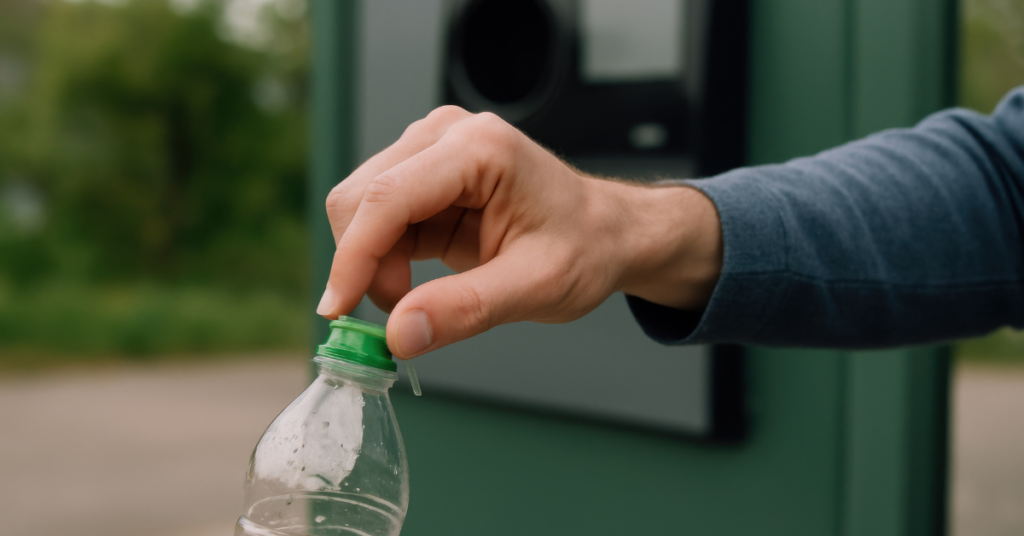
Mistake 3: Throwing Pfand bottles into bins
This wastes your money and breaks sorting machinery. Always return bottles to supermarket machines.
Mistake 4: Mixing everything into Restmüll
Some new arrivals skip sorting and throw everything in gray bins. This works but shows you have not tried. Neighbors and building management notice. It is better to ask once than repeatedly make mistakes.
Mistake 5: Using plastic bags to line yellow bins
The bags jam sorting machinery. Put items loose or use paper bags.
Mistake 6: Throwing glass into yellow or paper bins
Glass breaks machinery and injures workers. Always use separate glass containers.
Mistake 7: Putting food packaging in yellow bins without rinsing
Food residue attracts pests and creates odor. Rinse containers briefly (you do not need to wash them perfectly).
If you are unsure: Ask your landlord or a neighbor once. It shows responsibility and willingness to learn. Most people are helpful with genuine questions.
Waste in Apartment Buildings
If you live in an apartment building, waste management is slightly different.
Important to know:
- Bins are shared among all residents
- Collection days and times are fixed (usually weekly)
- Overfilling bins after they are full creates problems
- The building may have a system for overflow
- Strong smells in bio bins are common in summer, especially if residents do not rinse containers
- Bins may have locks or be inaccessible during non-collection hours
Building management expectations:
- Close bin lids properly after every use
- Do not overfill bins
- Do not throw items next to bins
- Respect collection schedules
- Sort waste correctly
If bins are frequently full or overflowing:
- Talk to building management
- They can arrange additional bins
- Costs are shared among residents
- Repeated problems can result in small fines per household
Communal space responsibility:
Keeping shared bins area clean and organized shows respect for neighbors. It is a small thing that makes a big difference.
What Happens If Waste Is Sorted Incorrectly
Usually, nothing happens immediately. However, repeated mistakes may lead to problems.
Possible consequences:
- Neighbors may leave notes on bins
- Building management may send a letter
- Extra costs may be shared among tenants if special handling is needed
- In extreme cases, repeated violations can result in small fines
Why building management cares:
- Sorting mistakes cause contamination
- Contaminated waste cannot be recycled
- Sorting machinery breaks down
- Disposal costs increase
- Residents share these costs
The reality:
You are not expected to know everything immediately. But learning quickly and showing effort to improve shows respect. One or two mistakes are forgotten. Repeated careless sorting becomes a problem.
Quick Sorting Checklist
When holding an item, ask yourself these questions in order:
- Is it food waste? (Fruit peels, bread, leftovers, coffee grounds) → Bio bin
- Is it clean paper or cardboard? (Newspaper, boxes, paper bags) → Paper bin
- Is it plastic or metal packaging? (Bottles, cans, yogurt cups) → Yellow bin
- Is it a deposit bottle? (Check for Pfand label) → Supermarket return machine
- Is it glass? (Bottles, jars) → Glass containers
- Is it batteries or electronics? (Batteries, chargers, old cables) → Supermarket or recycling center
If you cannot answer yes to any of these questions and the item cannot be recycled, place it in Restmüll (gray bin).
Waste Sorting by City
Waste sorting rules can vary slightly by city. Check your local system.
How to find your city’s rules:
- Search “[Your City] Abfallwirtschaft” (waste management) online
- Visit your city’s official website
- Look for a waste calendar (Abfallkalender) showing collection days
- Some cities provide PDF guides in English
Common differences:
- Some cities combine paper and cardboard into one bin
- Some cities have separate bins for metal and plastic
- Some cities use yellow bags instead of yellow bins
- Some cities do not have bio bins (rare)
Check your specific city’s system and save the information.
Final Reassurance
Waste sorting feels complicated at first. After a few weeks, it becomes automatic. You will stop thinking about it and just do it correctly.
What to remember:
Nobody expects perfection on your first day in Germany. You are learning, and that is enough.
After 3 to 4 weeks:
- You will sort without thinking
- You will understand the “why” behind each category
- It becomes part of your routine
- You will stop feeling stressed
Common feelings:
- “I feel judged by neighbors for making mistakes” (Normal, they were new once too)
- “The rules seem overly strict” (They are not. Germany values environmental responsibility)
- “This is too complicated” (It is not. You will master it quickly)
- “What if I make a mistake?” (Nothing terrible happens. Learn and move on)
The truth:
Germans take waste seriously because environmental protection matters to them. By learning the system, you show respect for this value. That respect is appreciated.
You are doing great. Keep learning.