
When I first visited a German weekly market, I felt slightly lost. The vendors were fast-talking, the produce looked different, and I wasn’t sure about the unwritten rules. But by my third visit, I realised that the weekly markets called Wochenmarkt in German are actually one of the best parts of shopping in Germany.
This guide walks you through everything you need to know to shop confidently at your local market, from what to expect to how to get the best deals.
What is a Wochenmarkt?
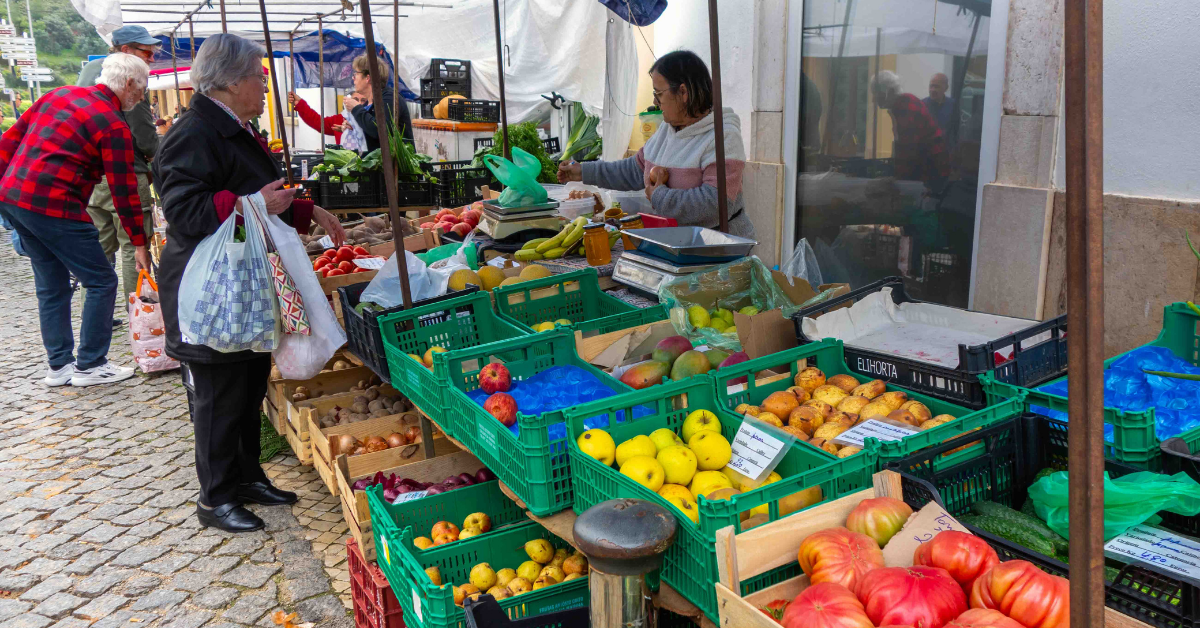
A Wochenmarkt (literally “weekly market”) is an outdoor or semi-covered market that happens on specific days each week, usually in a town square, central street, or parking area. Markets typically run from early morning (7-8 AM) until early afternoon (12-2 PM), though times vary by location.
Think of it as a combination of a farmers market, speciality food fair, and neighbourhood gathering place all in one.
Unlike supermarkets, where you pick items off shelves, weekly markets have independent vendors running stalls. This means you interact directly with farmers, bakers, and food producers—which is part of the charm.
Why visit a Wochenmarkt?
- Fresher produce: picked days (not weeks) before sale
- Direct from producers: farmers and small businesses, not middlemen
- Seasonal variety: you discover what’s in season right now
- Local community: regular shoppers become familiar faces
- Unique items: find regional specialities you won’t see in supermarkets
What You Can Buy
Every market is different depending on your region and season, but here’s what you’ll typically find:
Fresh Produce
This is usually the heart of any market. You’ll find:
- Seasonal fruits and vegetables (apples, berries, tomatoes, zucchini, depending on season)
- Fresh herbs (basil, parsley, dill, rosemary)
- Salad greens and leafy vegetables
- Root vegetables (potatoes, onions, garlic, carrots, beets)
- Mushrooms (sometimes wild varieties in autumn)
Tip: Seasonal produce is cheaper and tastes better. Spring brings asparagus and berries, summer brings tomatoes and stone fruits, fall brings apples and pumpkins, and winter brings root vegetables and cabbages.
Bakery and Pastries
German bakeries are serious business, and market stalls are excellent:
- Fresh bread rolls (Brötchen) and loaves—baked that morning
- Traditional breads (Vollkornbrot, Sourdough)
- Cakes and pastries (Donuts, Kirschkuchen, pretzels)
- Sometimes hot food stalls (roasted chicken, bratwurst, crepes)
Insider tip: Arrive early for the best bread selection. By late morning, popular items sell out.
Dairy and Eggs
- Cheese stalls with local and regional varieties (Käsemarkt stalls are popular)
- Yoghurt, buttermilk, and other dairy products
- Fresh eggs, often from local farms (usually cheaper than supermarkets)
Meat, Fish, and Deli Items
Not every market has these, but larger ones do generally:
- Fresh butcher stalls with quality meats
- Fish stalls (especially near coasts or bigger cities)
- Smoked meats, sausages, and delicatessen items
- Spreads and pâtés
Important: In warm weather, bring an insulated bag if buying meat or dairy. These items are fresher but more temperature-sensitive than packaged supermarket products.
Speciality and Unique Items
Depending on your market, you might find:
- Honey and homemade jams
- Olives and Mediterranean products
- Spices, nuts, and dried fruits
- Flowers and plants
- Beeswax products, soaps, or handmade goods
Are Markets Cheaper Than Supermarkets?
This is the question everyone asks. The honest answer: Sometimes yes, sometimes no.
Markets aren’t automatically cheaper, but they offer different value.
When Markets Are Cheaper
- Seasonal abundance: When berries are in season, they’re half the price of off-season berries
- Imperfect produce: Vendors sometimes offer slightly bruised apples or oddly-shaped vegetables at discounts, perfect for cooking
- Bulk buying: If you buy several kilos or a mixed bag, vendors often give you a better price
- Closing time deals: In the last 30 minutes, many vendors discount remaining stock to avoid carrying it home
- Direct from producer: No middleman markup on some items, especially local speciality products
When Markets Can Be More Expensive
- Premium specialities: Organic cheeses, rare fruits, or speciality items might cost more at markets
- Ready-to-eat foods: Cooked items and delicacies are pricier than raw produce
- Out-of-season items: Buying strawberries in December at a market costs more than at supermarkets
- Small quantities: Buying individual items without bulk discounts
Smart shopping strategy: Use markets for fresh, seasonal, and bulk items. Use supermarkets for packaged basics, out-of-season produce, and speciality international products.
Best Time to Visit
Weekly markets follow predictable patterns. Choose your time based on what you want:
Early Morning (7-8 AM)
Best for: Full selection, quiet atmosphere, specific items
When you arrive early:
- Vendors just finished setting up
- Everything is in perfect condition
- Fewer crowds, easy to chat with vendors
- Best time if you’re looking for specific items and don’t want to be rushed
Drawback: Some vendors arrive even later, so you might not find everything
Mid-Morning (9-11 AM)
Best for: Balance of selection and atmosphere
This is the “Goldilocks” time:
- Good variety still available
- Market is busier but not overwhelming
- Vendor selection is complete
- Comfortable crowd level for exploring
Why locals love this: You get the best of both worlds—good selection without the early-morning rush or the late-afternoon bargain-hunting crowd.
Near Closing Time (12-1 PM)
Best for: Discounts and deals
As vendors pack up:
- Many reduce prices significantly, sometimes 30-50% off
- Less selection, but great deals on remaining items
- Takes some hunting to find good produce, but the savings are real
- Best if you’re flexible about what you buy
How to Shop Like a Local
Weekly markets have their own rhythm. These habits make everything easier:
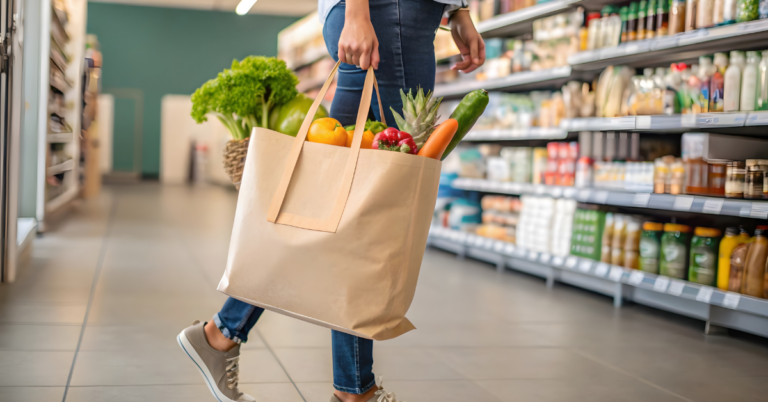
Bring a Reusable Bag
You’ll usually get paper or thin bags, but bringing your own is more convenient. Use:
- A cloth shopping bag
- A backpack
- A rolling cart (many Germans use these)
- Anything sturdy that holds weight
German markets aren’t as bagless-friendly as supermarkets, but vendors will provide bags if you ask. Still, your own bag is easier.
Carry Cash
Yes, many vendors now accept cards (EC-card, Apple Pay, Google Pay), but not all. Having cash:
- Speeds up checkout
- Avoids awkward “sorry, I don’t have card readers” moments
- Is appreciated by older vendors
- Helps with tipping if you want to
Tip: Bring some small notes and coins (€5, €10, €1, €0.50). Vendors appreciate not having to break large bills, especially early in the day.
Respect the Queue
Germans take queue order seriously. Never step ahead or try to jump the line. Just wait for your turn. It moves faster than you’d expect because vendors are quick.
Ask Before Touching Produce
Here’s where habits vary by vendor:
- Some stalls: You point, and the vendor picks items for you
- Other stalls: You can select items yourself
- When in doubt: Ask politely, “Darf ich selbst aussuchen?” (Can I choose myself?)
It’s not rude to ask. Vendors expect questions from first-time shoppers.
Useful German Words and Phrases
You don’t need perfect German, but these phrases help:
- “Was kostet das?” = What does this cost?
- “Ein Kilo, bitte.” = One kilo, please.
- “Ein halbes Kilo, bitte.” = Half a kilo, please.
- “Ich hätte gern…” = I would like… (more polite than “Ich möchte”)
- “Darf ich probieren?” = May I try a sample? (Some vendors offer samples)
- “Nur schauen, danke.” = Just looking, thanks. (to politely decline attention)
- “Haben Sie auch…?” = Do you also have…?
Even with basic German, vendors are patient, especially if you’re polite and speak slowly.
Money-Saving Tips
Markets can be very budget-friendly if you shop strategically:
Buy Seasonal
Seasonal produce is cheaper and tastes better. Check what’s in season and plan meals around it.
- Spring: Asparagus, strawberries, rhubarb
- Summer: Tomatoes, berries, zucchini, stone fruits
- Fall: Apples, pears, mushrooms, pumpkins
- Winter: Root vegetables, cabbage, citrus fruits
Walk Around First
Don’t buy from the first vendor. Walk the whole market, check prices at different stalls, they vary. Then decide where to buy.
Shop Near Closing Time
Many vendors drop prices in the last 30 minutes to avoid carrying unsold items home. It requires flexibility (you can’t pick exact items), but the savings are real.
Buy “Imperfect” Produce
Ask about “Ausschuss” (rejected stock) or just look for slightly bruised or oddly-shaped items. They taste identical but cost much less. Perfect for cooking, smoothies, or sauces.
Ask for Mixed Packs
Some vendors offer discounted mixed bags of vegetables—maybe slightly overripe, maybe mixed varieties. Ask: “Haben Sie eine gemischte Packung mit Rabatt?” (Do you have a mixed pack with a discount?)
Buy in Bulk
Buying larger quantities usually gets you a better per-unit price. Even if you can’t eat it all, frozen or preserved items stretch further.
Finding Markets Near You
Discovering your local market is easy:
Search Online
- Search “Wochenmarkt + [your city name]” on Google
- Search “Markt + [your neighbourhood]”
- Try “Bauernmarkt” (farmers market sometimes used interchangeably)
Check Your City Website
Most German cities have a tourism or information page listing weekly markets with:
- Days and times
- Location (address and map)
- What they sell
- Parking information
Use Google Maps
- Search “Wochenmarkt”
- Check reviews and photos
- See real customer photos and comments about:
- Busiest times
- Parking tips
- Whether card payments are accepted
Ask Locals
Your neighbours, coworkers, or people at your supermarket can tell you where the nearest market is and when it happens.
Your First Visit Checklist
Before you go, have:
✅ Cash and small change (€1-10 notes)
✅ Reusable bags or backpack
✅ A rough shopping list (but stay flexible)
✅ An open mindset to try seasonal items you’ve never bought before
✅ Comfortable shoes (you’ll be standing and walking)